

In an era where information is at our fingertips and technology promises to solve our every problem, we face a paradoxical and troubling reality: The decline of Critical Thinking. This erosion of our ability to analyse, question, and reason independently isn't just an academic concern; it's a crisis that threatens the very fabric of our society and the future of human progress.
The Vanishing Art of Thinking Critically
Imagine a world where people blindly accept what they're told, where questioning the status-quo is met with hostility, and where the convenience of technology replaces the need for deep analysis. Unfortunately, we don't have to imagine this world—we're living in it.
Critical thinking was once the cornerstone of intellectual growth and societal advancement but is now under siege. How did we get here? More importantly, what are the consequences if we continue down this path?
The Perfect Storm: The Double-Edged Sword of Technology
While technology has democratized access to information, it has also created a paradox. We have more data at our disposal than ever before yet our ability to process and critically evaluate this information is waning. The ease of finding quick answers has made us intellectually lazy. Why spend time analyzing a problem when a quick Google search or a quick conversation with AI can provide an instant solution?
This over-reliance on technology is particularly evident in younger generations. Children growing up in the digital age are often more adept at navigating user interfaces than understanding the underlying principles of how things work. As a result,
We're raising a generation that knows how to use technology but doesn't understand it.
This is a dangerous combination that leaves them vulnerable to manipulation and misinformation.
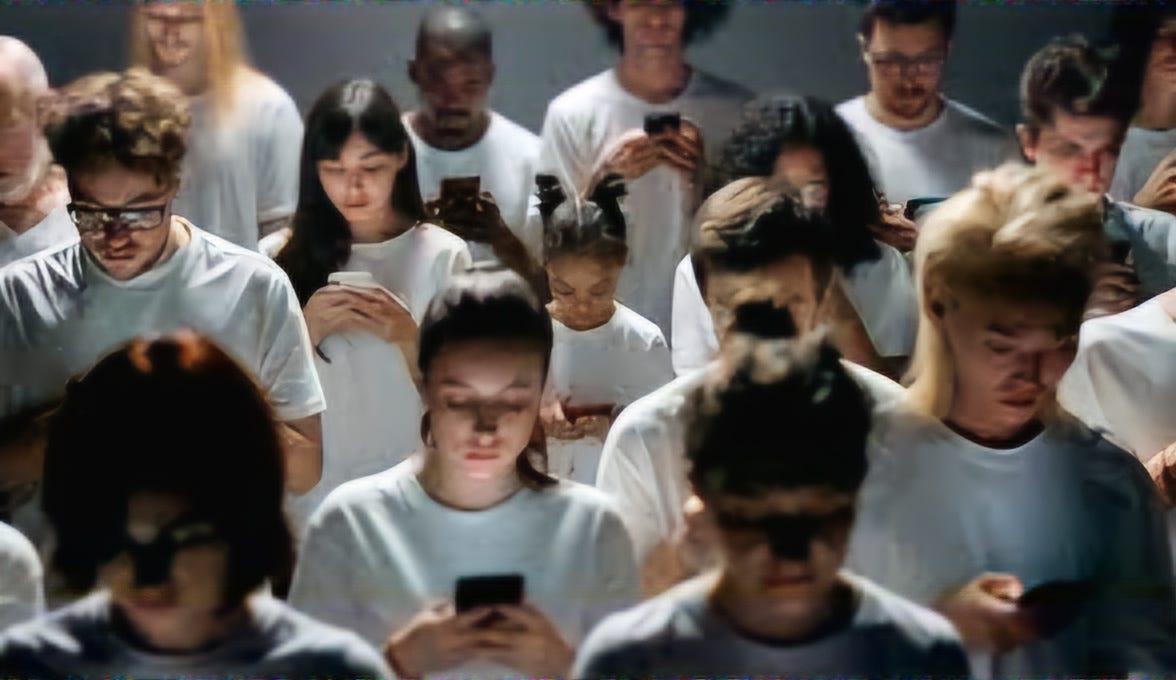
The Comfort of Group-think
In our increasingly polarized world, the allure of belonging to a group often out-weighs the desire for truth. This phenomenon isn't new but social media has definitely amplified it to unprecedented levels. We've created echo chambers where our beliefs are constantly reinforced and opposing views are easily filtered out.
The consequences of this group-think mentality are far-reaching. It stifles innovation, breeds intolerance and creates a society where conformity is valued over critical analysis. The recent controversies surrounding “Covid-19” highlight how quickly part of our society can turn on those who dare to question prevailing narratives, even when their concerns are rooted in legitimate scientific and social considerations.
The Comfort-Zone Trap
Perhaps most insidiously, we've become too comfortable with our mental inactivity. Critical thinking requires effort but in a world that prioritizes convenience and instant gratification, this effort often feels unnecessary or even burden-some. Why grapple with complex issues when we can distract ourselves with endless entertainment or seek simple, pre-packaged answers?

The Consequences: A Society at Risk
The decline in critical thinking isn't just an abstract concern as it has real-world consequences that are already manifesting:
Political Manipulation: A populace unable to think critically is easily swayed by emotional appeals and misinformation and threatens the very foundations of democracy.
Scientific Illiteracy: As critical thinking declines, so does our ability to understand and engage with scientific concepts.
Economic Stagnation: Innovation and problem-solving are the engines of economic growth. A workforce lacking in critical thinking skills is ill-equipped to drive progress in an increasingly complex world.
Social Fragmentation: Our society becomes increasingly polarized when we lose the ability to engage in nuanced discussions about controversial topics, making it difficult to find common ground on crucial issues.
Rekindling the Flame: How to Foster Critical Thinking
While the situation may seem dire, all is not lost. We can take steps to re-invigorate critical thinking in our society:
Education Reform: We need to prioritize critical thinking skills in our educational systems, moving away from rote memorization towards problem-solving and analytical reasoning.
Embrace Discomfort: Encourage discussions on controversial topics, not to provoke but to practice engaging with different view-points respectfully and analytically.
Tech Literacy: While we shouldn't abandon technology, we need to foster a deeper understanding of how it works by encouraging curiosity about the systems we rely on daily.
Media Literacy: In an age of misinformation, teaching people how to evaluate sources and recognize bias is crucial.
Personal Responsibility: Each of us has a role to play. We must challenge ourselves to think critically, question our assumptions, and engage with ideas that make us uncomfortable.
A Personal Reflection
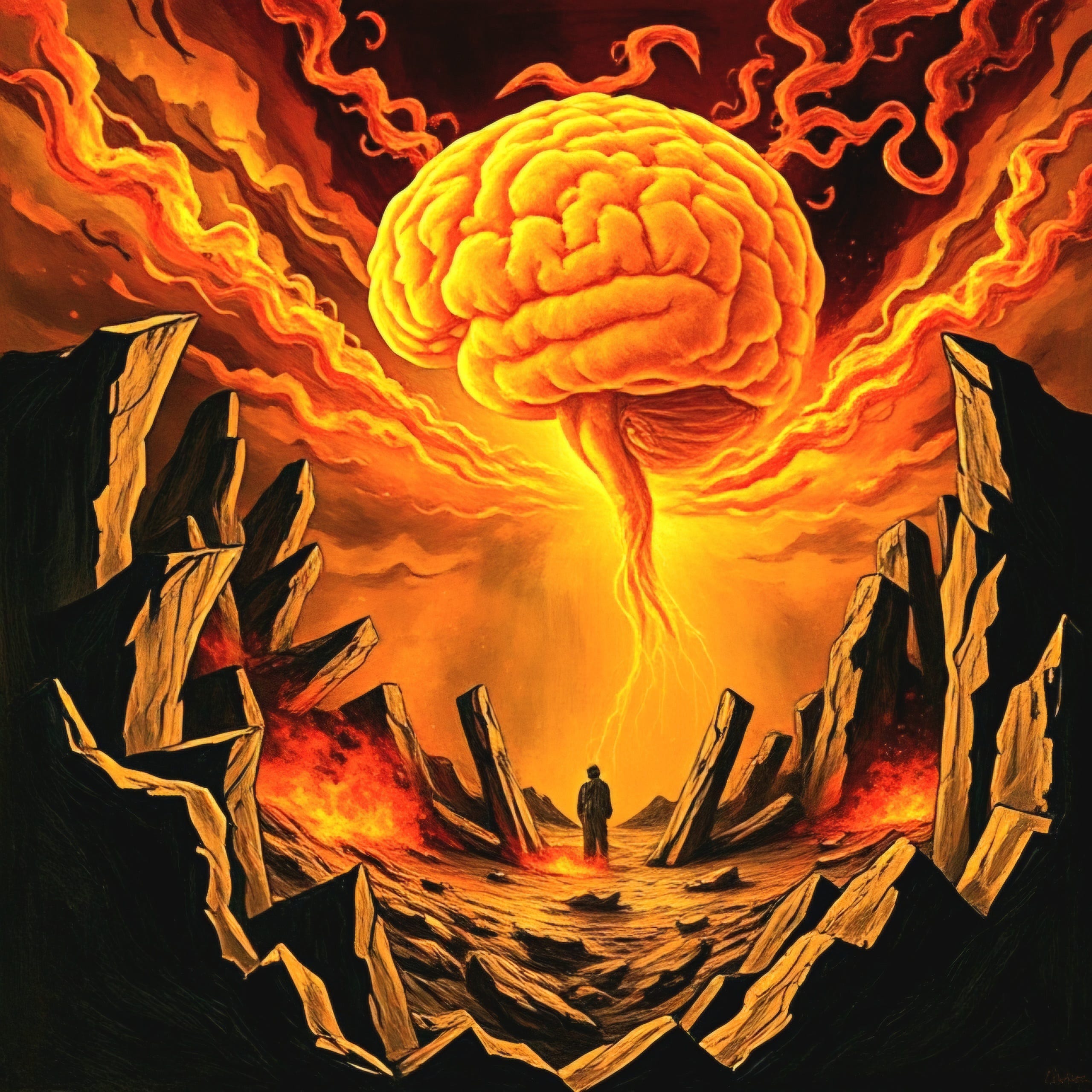
As I reflect on this issue, I'm struck by how easily we can slip into mental complacency. I've caught myself reaching for my smartphone to answer questions that I could have reasoned through with a bit of effort. I've felt the pull of group-think and the comfort of having my views echoed back to me on social media.
But I've also experienced the exhilaration of engaging in deep, nuanced discussions about complex issues. I've felt the satisfaction of working through a problem methodically, questioning my assumptions and arriving at a well-reasoned conclusions. These experiences remind me of the value of critical thinking and the importance of nurturing this skill in ourselves and others.
The Path Forward
The erosion of critical thinking is a crisis but it's also an opportunity. By recognizing the problem and taking steps to address it, we can create a society that values reasoned debates, embraces complexity, and is better equipped to tackle the challenges of the 21st century.
As we navigate this increasingly complex world, let's commit to thinking critically, questioning deeply, and engaging thoughtfully with the world around us. Our future depends on it.
What steps will you take to sharpen your critical thinking skills? How can we encourage this vital skill in our communities and institutions? The conversation starts with us, and the time to act is now.
Join me as we explore fascinating frontiers like this and consider how we might harness our collective potential for good. Together, we can strive towards a more compassionate, sustainable, and peaceful planet where every heartbeat resonates with possibility. 😃